
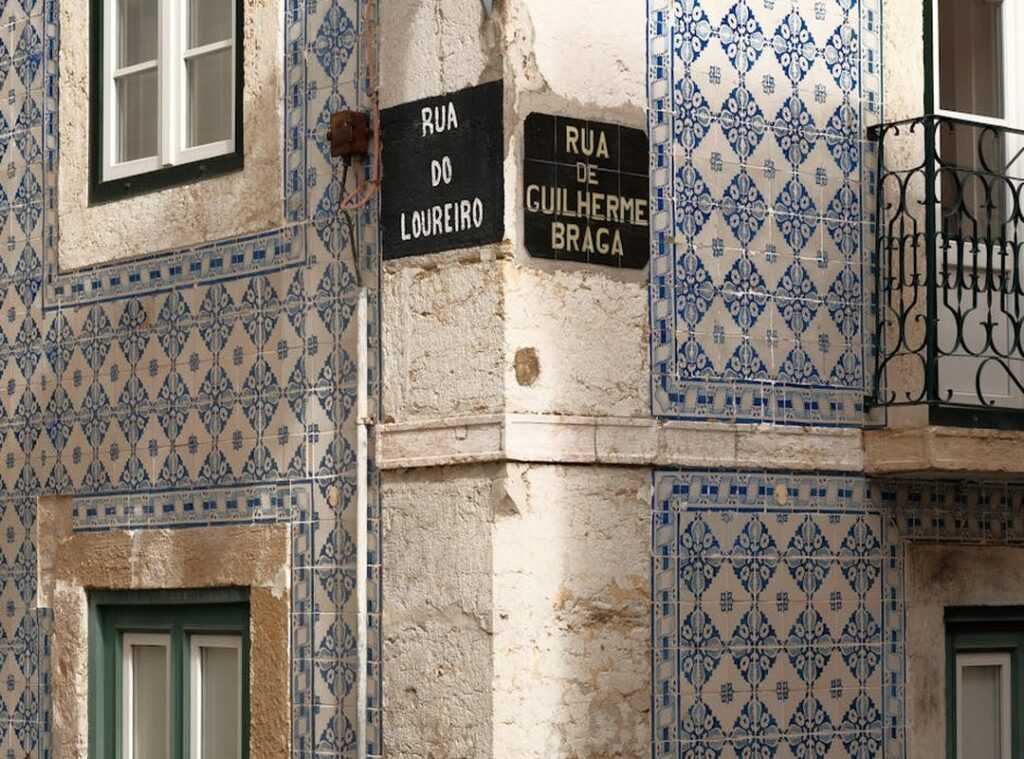
If you’re searching for rua 69 em braga, I bet the name piqued your curiosity. Let’s get one thing straight: the street’s official name is Rua de São Marcos.
This article will dive into the unique architecture, hidden gems, and rich history of this charming street.
Imagine walking down a lane that embodies Braga’s historic charm. It’s filled with design inspiration at every turn.
You’ll get an insider’s guide to why Rua de São Marcos is a must-see for anyone who loves culture, history, and beautiful design.
Sure, the nickname might raise some eyebrows, but the real story is far more fascinating. It’s a hub of local life and history, waiting to be explored.
A Walk Through Time: The Architecture and History of Rua de São Marcos
Rua de São Marcos has been a vital artery in the heart of Braga for centuries. It’s not just a street; it’s a living, breathing part of the city’s history.
Braga, with its rich past, has seen many changes. Rua de São Marcos played a key role in the city’s development, serving as a central point for trade and social gatherings.
The Baroque style is prominent here. You can see it in the intricate facades and ornate decorations. But it’s not all Baroque.
Traditional Portuguese vernacular architecture also stands out, blending seamlessly with the more elaborate designs.
One of the most striking buildings on the street is the old townhouse at rua 69 em braga. Its ornate window frames and traditional stonework are a testament to the craftsmanship of the time.
Granite is the backbone of the street’s character. It’s used in everything from the cobblestones to the building facades. The iconic Portuguese azulejo tiles add a splash of color and a touch of elegance.
The layout of Rua de São Marcos is a story in itself. It connects to several important squares and churches, reflecting the city’s urban planning over the centuries. This design shows how the city evolved, with each new addition building on the past.
Famous past residents and significant events have left their mark on the street. For instance, a notable local artist once lived here, and his home is now a small museum. These stories bring the street to life, making it more than just a collection of buildings.
So, next time you walk down Rua de São Marcos, take a moment to appreciate the layers of history and the unique architectural styles that make it so special.
The Design Lover’s Guide: Finding Inspiration in Every Detail
When it comes to design, inspiration can come from anywhere. Even the streets of a city can offer a wealth of ideas. Let’s take a look at some specific, actionable design elements you can draw from.
-
Color Palettes
Take a stroll down rua 69 em braga and notice the painted facades and vibrant blue tiles. These colors can be used in your interior or exterior design. For example, a deep blue accent wall can add a touch of elegance to any room. -
Intricate Ironwork
The ironwork on balconies and window grilles is a masterpiece of craftsmanship. Adding similar elements to your home can give it a unique character. Think about installing decorative iron railings or using wrought iron for your garden gates. -
Azulejo Tiles
The azulejo tiles tell stories through their patterns and cultural significance. You can use these tiles as a feature in your kitchen, bathroom, or even in your garden. They add a touch of history and charm to any space. -
Natural Elements
Potted plants on balconies and small, hidden courtyards blend urban living with nature. Consider adding more greenery to your home. A few potted plants can make a big difference in bringing life to your space. -
Getting the Look
To get the look, focus on specific materials and paint colors. Use rich, earthy tones and natural textures. For a more authentic feel, visit Togtechify for the latest trends and tips on incorporating these elements into your home.
By paying attention to these details, you can create a space that feels both inspired and uniquely yours.
Beyond the Facades: What to See and Do on Braga’s Famous Street

When you walk down Rua de São Marcos, it’s like stepping into a different era. The street is lined with traditional tascas, where you can grab a bite and a drink, and artisan shops that sell everything from handmade crafts to local pastries.
In the morning, the street is quiet and peaceful. It’s the perfect time to take in the details of the architecture. You’ll notice unique doorways and beautiful tile panels that make for great photo ops.
By afternoon, the place comes alive. People are out and about, shopping and chatting. The energy is infectious.
Evenings bring a different charm. The street lights up, and there’s a cozy, almost romantic vibe. It’s a great time to explore and find a nice spot for dinner.
Don’t miss the nearby points of interest. Just a short walk away, you can visit the historic cathedral or the charming gardens. They’re easy to reach and add a lot to your experience.
One practical tip: wear comfortable shoes. The cobblestones can be tough on your feet. And if you get hungry, stop by the café on rua 69 em braga for a traditional pastry.
Trust me, it’s worth it.
Why Rua de São Marcos Is the True Heart of Braga
Rua 69 em Braga is more than just a curious name; it’s a vibrant reflection of the city’s rich history, design, and local culture. This street embodies the true essence of Braga, where every cobblestone and façade tells a story.
The beauty of Braga often lies in its smaller, character-filled streets rather than the main tourist squares. These hidden gems offer a deeper, more authentic experience.
Visitors are encouraged to look for design inspiration in their own surroundings, using the lessons from Rua de São Marcos as a guide. The intricate details and thoughtful architecture can inspire creativity and appreciation.
Explore Braga’s hidden gems on your next trip and uncover the stories embedded in the city’s architecture.
 Gavren Talvess writes the kind of software development trends content that people actually send to each other. Not because it's flashy or controversial, but because it's the sort of thing where you read it and immediately think of three people who need to see it. Gavren has a talent for identifying the questions that a lot of people have but haven't quite figured out how to articulate yet — and then answering them properly.
They covers a lot of ground: Software Development Trends, Emerging Tech Innovations, Tech Tutorials and Tips, and plenty of adjacent territory that doesn't always get treated with the same seriousness. The consistency across all of it is a certain kind of respect for the reader. Gavren doesn't assume people are stupid, and they doesn't assume they know everything either. They writes for someone who is genuinely trying to figure something out — because that's usually who's actually reading. That assumption shapes everything from how they structures an explanation to how much background they includes before getting to the point.
Beyond the practical stuff, there's something in Gavren's writing that reflects a real investment in the subject — not performed enthusiasm, but the kind of sustained interest that produces insight over time. They has been paying attention to software development trends long enough that they notices things a more casual observer would miss. That depth shows up in the work in ways that are hard to fake.
Gavren Talvess writes the kind of software development trends content that people actually send to each other. Not because it's flashy or controversial, but because it's the sort of thing where you read it and immediately think of three people who need to see it. Gavren has a talent for identifying the questions that a lot of people have but haven't quite figured out how to articulate yet — and then answering them properly.
They covers a lot of ground: Software Development Trends, Emerging Tech Innovations, Tech Tutorials and Tips, and plenty of adjacent territory that doesn't always get treated with the same seriousness. The consistency across all of it is a certain kind of respect for the reader. Gavren doesn't assume people are stupid, and they doesn't assume they know everything either. They writes for someone who is genuinely trying to figure something out — because that's usually who's actually reading. That assumption shapes everything from how they structures an explanation to how much background they includes before getting to the point.
Beyond the practical stuff, there's something in Gavren's writing that reflects a real investment in the subject — not performed enthusiasm, but the kind of sustained interest that produces insight over time. They has been paying attention to software development trends long enough that they notices things a more casual observer would miss. That depth shows up in the work in ways that are hard to fake.