
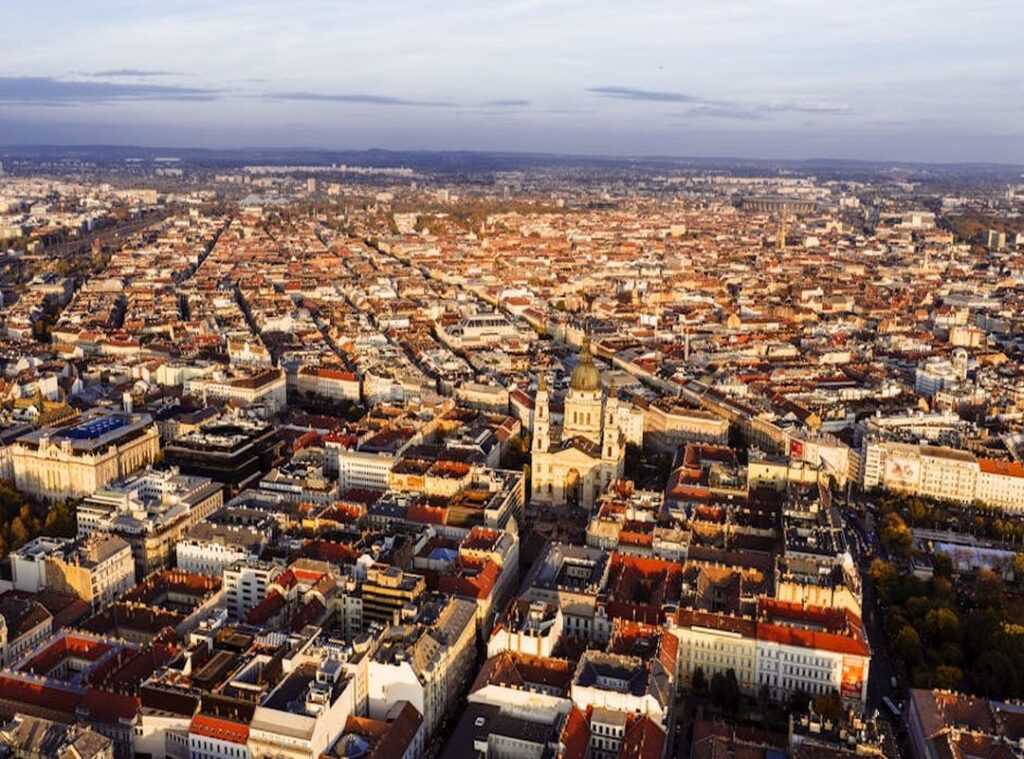
What European capital city has the longest name? You might be surprised.
It’s not just a trivia question. It’s a journey into unique European culture, history, and design.
The answer is surprising. It leads to a city known for its blend of historic charm and modern, sustainable living.
You’ll find more than just a long name. This city is a source of creative inspiration for your home and garden.
Sometimes, the character of a city, even in its name, can shape everything from architecture to interior design trends.
The Grand Tour of Contenders: Capitals with Notable Names
When you think about European capitals, some names just stand out. Reykjavik, Iceland is one of them. Its name means “Smoky Bay,” and that natural inspiration shows in the city’s design.
Amsterdam, Netherlands, is another. The name comes from the Amstel river, which winds through the city. You can see its influence in the iconic canal houses and waterside gardens.
Bratislava, Slovakia, might not be as well-known, but it’s got a rich history. The city’s name has Slavic roots and adds depth to our list.
Now, let’s talk criteria. Are we counting spaces, hyphens, or looking for the longest single word? It matters, especially when considering the capital city in Europe with the longest name: Llanfairpwllgwyngyllgogerychwyrndrobwllllantysiliogogogoch, Wales.
Each of these cities offers unique beauty and design elements. Reykjavik’s natural landscapes, Amsterdam’s canals, and Bratislva’s historical charm.
So, what should you do? Explore these cities, learn their stories, and let their creativity inspire you.
And the Winner Is… A Deep Dive into Stockholm’s Storied Name
Stockholm, Sweden, is the European capital with the longest single-word name. It’s a city that’s more than just a name; it’s a story.
The Etymology of ‘Stockholm’
The name ‘Stockholm’ comes from the combination of ‘stock’ (log) and ‘holm’ (islet). Legend has it that the city was founded where a log was found in the water, a sign to build a settlement. Interesting, right?
Moving on, let’s talk about the city itself. Stockholm is spread across 14 islands, each adding to its unique charm. Water and nature are at the heart of this city, making it a place like no other.
Scandinavian Design and the City’s Ethos
Scandinavian design, which includes brands like Svenskt Tenn, minimalism, and the concept of ‘lagom,’ reflects the city’s ethos. Balance, functionality, and natural beauty are key. This design philosophy isn’t just about aesthetics; it’s about living well.
Stockholm’s commitment to sustainability and green spaces is another aspect that sets it apart. The city is a model for modern urban living, showing how cities can be both beautiful and eco-friendly.
The Simplicity and Elegance of Stockholm
The simplicity and elegance of the name ‘Stockholm’ mirror the core principles of the world-famous design styles that originated there. It’s a reminder that sometimes, less is more.
If you’re interested in learning more about how technology and design intersect, check out the latest on recent tech security issues. It’s always good to stay informed.
In summary, Stockholm is a city that embodies balance and beauty. If you ever get the chance, visit and see for yourself.
Bringing Stockholm Home: Design Cues from the Venice of the North

Stockholm, often called the Venice of the North, has a unique charm that can transform any home. Let’s dive into some actionable tips to bring that Scandinavian vibe to your space.
Color Palette of Gamla Stan
The Old Town, or Gamla Stan, is a treasure trove of warm saffrons, rustic reds, and deep greens. These colors are perfect for accent walls or decor. Think about adding a rustic red throw pillow or a deep green vase to your living room.
Light is crucial in Swedish interiors. They know how to make the most of it, especially during the long, dark winters. Use sheer curtains to let natural light in.
Mirrors can also help bounce light around, making your space feel brighter and more open.
Creating cozy outdoor spaces is a big part of Swedish life. Inspired by the beautiful parks like Brunnsviken in Stockholm, you can create your own little oasis. Focus on hardy perennials and naturalistic planting.
Add a small bench or a couple of chairs to make a perfect fika spot.
DIY projects are a great way to add a personal touch. How about a minimalist birch branch decoration? It’s simple and echoes the natural beauty of Swedish forests.
Just gather a few branches, tie them together with twine, and hang them up.
Sustainability is at the heart of Swedish design. Consider creating a small-space composting system. It’s a practical and eco-friendly way to reduce waste.
Also, look for furniture made from reclaimed, natural materials. This not only adds a unique touch but also supports sustainable practices.
Incorporating these elements can make your home feel like a piece of Ljubljana (the capital city in Europe with the longest name). It’s all about simplicity, functionality, and a deep connection to nature. Give it a try and see how it transforms your space.
The Ultimate Souvenir: How a Simple Question Sparks Grand Ideas
A simple trivia question about the capital city in europe with the longest name can lead to an incredible journey. This journey takes you from a mere fact—Stockholm—to a deep exploration of design, culture, and sustainable living.
Stockholm is not just an answer; it’s a gateway to a world of creative inspiration. It invites us to see beyond the surface, to uncover the layers of history, art, and innovation that make a place unique.
Beauty and great ideas can be found in unexpected places. From the letters in a city’s name to the colors of its oldest buildings, inspiration is everywhere.
Look at your own surroundings with fresh eyes. Search for local history, nature, and culture that can spark your next home project.
Your next great design idea isn’t in a catalog; it’s waiting to be discovered just outside your door.
 Gavren Talvess writes the kind of software development trends content that people actually send to each other. Not because it's flashy or controversial, but because it's the sort of thing where you read it and immediately think of three people who need to see it. Gavren has a talent for identifying the questions that a lot of people have but haven't quite figured out how to articulate yet — and then answering them properly.
They covers a lot of ground: Software Development Trends, Emerging Tech Innovations, Tech Tutorials and Tips, and plenty of adjacent territory that doesn't always get treated with the same seriousness. The consistency across all of it is a certain kind of respect for the reader. Gavren doesn't assume people are stupid, and they doesn't assume they know everything either. They writes for someone who is genuinely trying to figure something out — because that's usually who's actually reading. That assumption shapes everything from how they structures an explanation to how much background they includes before getting to the point.
Beyond the practical stuff, there's something in Gavren's writing that reflects a real investment in the subject — not performed enthusiasm, but the kind of sustained interest that produces insight over time. They has been paying attention to software development trends long enough that they notices things a more casual observer would miss. That depth shows up in the work in ways that are hard to fake.
Gavren Talvess writes the kind of software development trends content that people actually send to each other. Not because it's flashy or controversial, but because it's the sort of thing where you read it and immediately think of three people who need to see it. Gavren has a talent for identifying the questions that a lot of people have but haven't quite figured out how to articulate yet — and then answering them properly.
They covers a lot of ground: Software Development Trends, Emerging Tech Innovations, Tech Tutorials and Tips, and plenty of adjacent territory that doesn't always get treated with the same seriousness. The consistency across all of it is a certain kind of respect for the reader. Gavren doesn't assume people are stupid, and they doesn't assume they know everything either. They writes for someone who is genuinely trying to figure something out — because that's usually who's actually reading. That assumption shapes everything from how they structures an explanation to how much background they includes before getting to the point.
Beyond the practical stuff, there's something in Gavren's writing that reflects a real investment in the subject — not performed enthusiasm, but the kind of sustained interest that produces insight over time. They has been paying attention to software development trends long enough that they notices things a more casual observer would miss. That depth shows up in the work in ways that are hard to fake.