
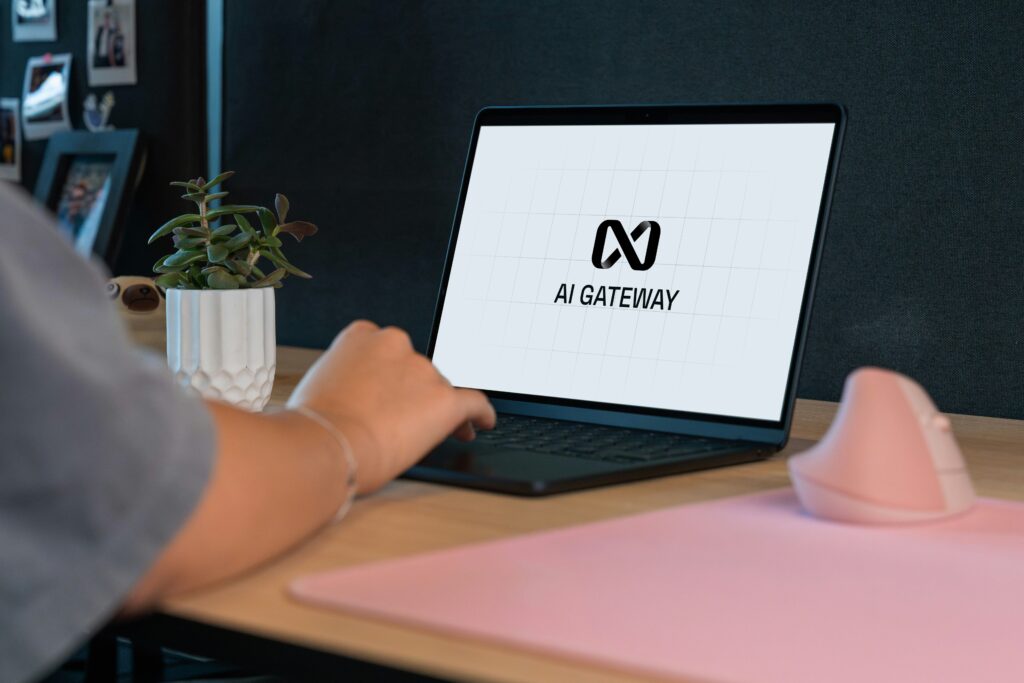
Smarter Coding: AI Tools Go Beyond Autocomplete
AI-assisted coding is evolving quickly, offering developers more than just syntax suggestions. In 2024, tools are becoming true collaborators, streamlining the workflow and freeing up mental space for deeper problem-solving.
Smarter Autocomplete and Faster Prototyping
Modern code editors are increasingly equipped with intelligent autocomplete that understands context and intent. This allows developers to:
- Build functional prototypes faster
- Reduce time spent searching for the right syntax
- Focus more on logic and less on structure
Real-Time Code Generation
One of the most exciting developments is the ability to generate working code from natural language. Developers can now describe what they want, and AI turns it into usable functions:
- Translate plain English into usable code snippets
- Auto-complete complex operations like API handling or database queries
- Accelerate early-stage development without sacrificing clarity
Smarter Testing and Debugging Support
AI tools now assist throughout the entire development lifecycle, including testing. They can:
- Auto-suggest relevant test cases based on your existing code
- Offer debugging insights as you write
- Identify edge cases or missed exceptions early on
Less Boilerplate, More Deep Work
Boilerplate code still clogs up valuable time. With AI tools streamlining repetitive patterns, developers can focus on what truly matters:
- Writing custom logic with clarity
- Refining architecture instead of repeating basic tasks
- Innovating faster with fewer interruptions
AI is no longer just a code assistant; it’s becoming a partner in higher-level thinking. The result? Cleaner code, faster launches, and more time spent solving meaningful challenges.
AI code assistants like GitHub Copilot, Amazon CodeWhisperer, and Tabnine are changing how software gets written. These tools use machine learning models to suggest, complete, or even generate code in real time as developers work. Think autocomplete, but smarter and trained on massive codebases.
Why does this matter? Because writing code is no longer a purely manual task. These tools cut down on boilerplate, speed up debugging, and even help developers explore APIs or frameworks they’re less familiar with. That translates to faster project turnaround, cleaner code, and—crucially—more time spent on actual problem-solving.
Who’s using them? Everyone from solo developers building side projects, to startups trying to ship MVPs quick, to big enterprise teams looking to improve engineering velocity. AI is no longer a novelty in dev workflows. It’s becoming standard—and ignoring it now means falling behind.
AI Is Speeding Up Workflow Without Replacing Humans
AI tools are speeding things up, no question. Scripting, editing, even outlining ideas—what used to take hours now takes minutes. But faster doesn’t always mean better. For vloggers, especially those who frame their brand around authenticity, there’s a hard line between useful automation and losing your voice.
Yes, AI can draft a monologue or cut a rough edit. But hand it too much control, and you’re risking sloppy logic, weird phrasing, or tonal misses your audience will spot right away. Overreliance can sneak in. Bugs in scripting tools. Missing context. Blind spots that a creator might miss if they’re moving too fast.
Human review is still the backbone of solid content. Many top creators use AI to generate drafts but still tweak everything themselves. Think of AI as an assistant, not a ghostwriter. Speed is helpful. Precision—and personality—still comes from the creator.
Micro-Niching for Loyal, High-Intent Audiences
Big audiences used to be the dream. Not anymore. In 2024, smart vloggers are going narrow instead of wide, finding tight-knit communities around hyper-specific interests. It’s no longer just travel vlogs—now it’s “off-grid sailing with toddlers” or “minimalist skincare for night-shift nurses.” These micro-niches might look small on the surface, but they deliver high-intent, loyal engagement.
Algorithm changes are part of the reason. Platforms are favoring content that keeps viewers coming back. When your audience actually cares—and sees themselves in your content—they stick around. Less churn. More comments. More shares. And when it comes to monetization, these tight communities convert better. Niche sponsorships, product sales, memberships—they all thrive on trust built over time.
For creators, this means going all-in on what you know, what you love, and what few others are talking about. You don’t need to be everywhere. You need to matter to someone deeply.
AI isn’t just speeding things up behind the scenes; it’s making the whole ecosystem more accessible. For new creators and coders, the learning curve is flattening. Thanks to the rise of low-code and no-code platforms, getting started no longer demands months of grinding through syntax or debugging obscure issues. Drag-and-drop interfaces, AI-assisted workflows, and modular app builders let people with zero programming background launch sophisticated tools and integrations.
These platforms, boosted by AI, are blurring the lines between coder and creator. Now you can build workflows, design content pipelines, and even deploy small apps or tools without writing a single line of traditional code. It’s not just a convenience shift; it’s a mindset shift. Coding literacy still matters, but it’s becoming more about logic, architecture, and adaptability than mastering a specific language.
The question isn’t whether AI will replace coders. It’s whether the new generation of creators will ever need to become traditional coders at all. For a deeper look at the trend, check out Low-Code and No-Code tools.
AI coding tools have come a long way, but they still trip over the same things that throw off junior developers: context and edge cases. They can write a function fast, maybe even test it, but they struggle when the logic depends on user-specific quirks or legacy codebases that don’t follow perfect patterns. Creative problem solving? Still mostly human territory. The tools are getting smarter, but they lack awareness of the bigger picture—what the code is for, how it fits in with everything else, what corner cases might break it.
The big question: will we see a fully AI-driven development lifecycle? Maybe in limited scopes—well-defined tasks, boilerplate components, repetitive bug-fixing. But a full-stack video platform or a real-time multiplayer game built end-to-end by AI? Not this year. Maybe not for a while. We haven’t yet taught AI how to deal with the chaos of real-world innovation.
Bottom line: it’s not about replacing developers. It’s about accelerating them. Let the AI crush the dull stuff, the syntax fixes, the code comments, the obvious suggestions. Human devs should spend their time thinking strategically, solving problems creatively, and building things AI can’t yet imagine.